
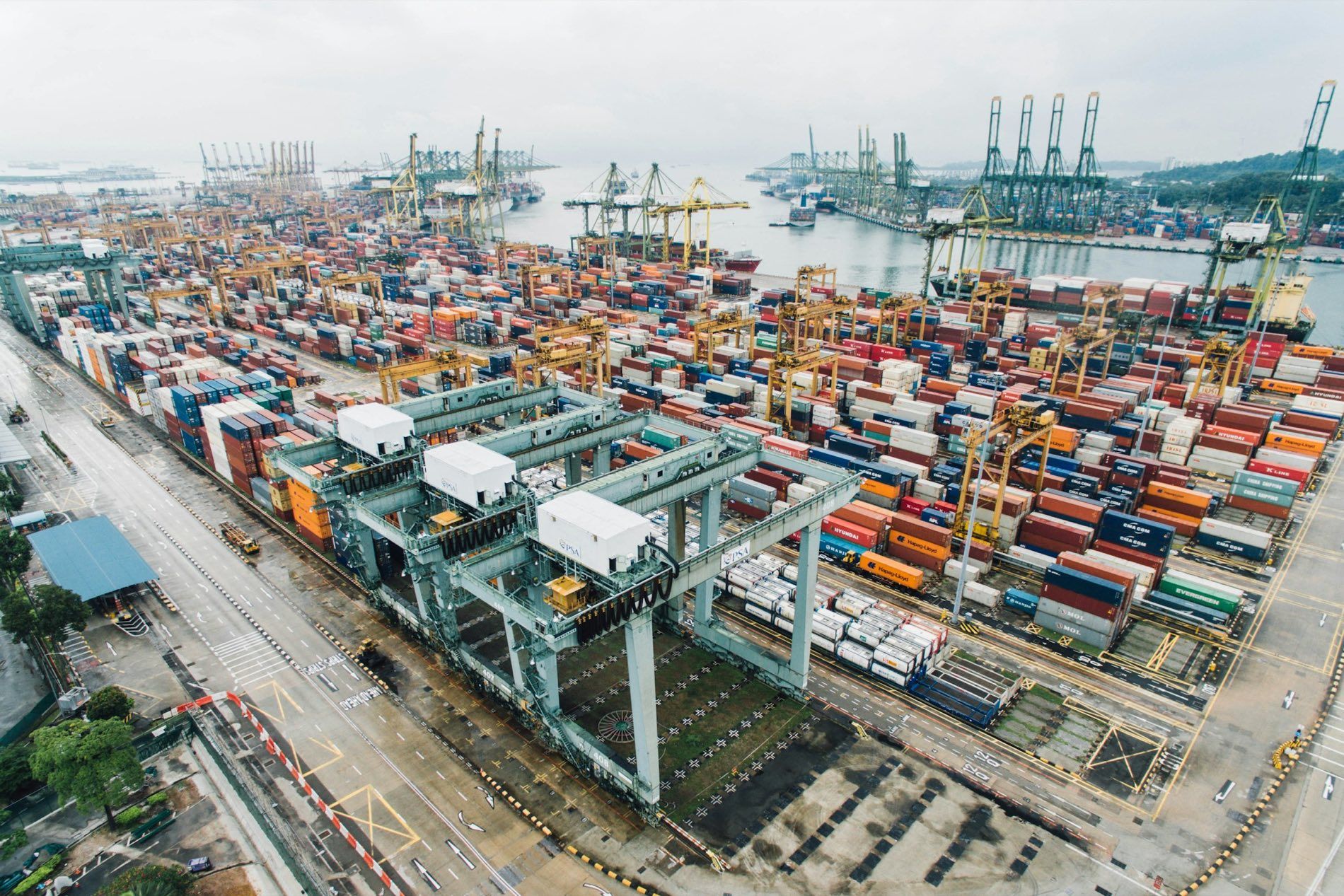
Every year the same thing happens. Importers who left the shipping schedule to the last minute watch their Christmas stock sit on the wharf instead of on the shelves. Customs clearance delays before Christmas are not bad luck. They come from timing, paperwork, and shipping on a normal-month schedule in a month that is anything but normal.
By the 24 Customs brokerage team. Published October 2026. Rules and timings change; check the linked official sources before acting.
If you are stocking for the retail peak, read this before you book the next container. Here is what drives delays at this time of year, and how far ahead you need to move to stay clear of them.
Why peak season shipping into Australia slows down
From late October through December, three things happen at once.
Volumes spike at every major port. More containers means more congestion, more vessel delays, and longer waits for wharf cartage once the cargo lands.
The Australian Border Force and the Department of Agriculture, Fisheries and Forestry handle a higher volume of declarations and biosecurity checks. They do not work slower. The queue is longer, and anything incomplete in your paperwork drops further back in it.
Everyone else is shipping at the same time you are. If you are bringing in decorations, toys, electronics or seasonal retail stock, so is every other importer with the same idea. Carrier space tightens, vessel schedules get less reliable, and the margin for error shrinks to almost nothing.
None of this is a reason to panic. It is a reason to plan to a realistic timeline instead of hoping for the best.
Work the timeline backwards
Start from the date the stock has to be on the shelf and count back.
- Shelf date. For most retailers that is the start of December, not Christmas week.
- Delivery from the wharf. Allow a week in peak season for the container to be released, carted and unpacked. A held container adds days to this, so the paperwork below is what protects the week.
- Transit. Sea freight from East Asia to Sydney or Brisbane runs roughly two to four weeks door to door, depending on the port pair and transhipment. Your forwarder’s schedule is the number to use, with a buffer on top, because peak season schedules slip.
- Documents before sailing. The commercial invoice, packing declaration and classification should be settled before the vessel leaves origin, not after it arrives.
Run those numbers and most sea freight for the Christmas trade needs to be on the water in the first half of November. Air freight buys a few weeks, at a price. If your supplier has their own production crunch around their peak, or your goods come from a longer trade lane, push everything earlier again.
Shipping a week early costs a few days of storage. Shipping a week late means stock that lands after Christmas, discounted or unsellable.
Pre-arrival clearance: the step most importers skip
Pre-arrival clearance means your import declaration is lodged with the Australian Border Force before the vessel or aircraft arrives. Done properly, the goods can clear the moment they land instead of waiting while someone assembles documents after the fact.
That matters every month. It matters far more in peak season, because the gap between cleared on arrival and cleared a week later is the gap between stock on the shelf for the pre-Christmas rush and stock still in a container in the second week of December.
Pre-arrival clearance only works if the documents are right before the ship sails:
- A commercial invoice with every field a customs assessment needs, not the supplier’s internal paperwork
- A packing declaration that matches the container, in the department’s approved wording
- Tariff classification done against the current Working Tariff, not copied from last year’s shipment
- Any permits or BICON conditions identified and sorted before the goods leave origin, not discovered on arrival
We check this paperwork before the vessel sails for exactly this reason. A packing declaration that does not match the container, or a missing treatment certificate, is the most common reason biosecurity holds goods for weeks instead of days. The free templates carry the department’s approved wording.
If a container is held anyway
Even with everything right, a container can show HELD in the Integrated Cargo System. It means a specific condition is stopping release: a documentation query, a biosecurity referral, a valuation check. It does not mean the shipment has been seized. Our guide to held containers covers each cause and what clears it.
In peak season a hold costs more than usual, because every day is a day closer to stock arriving too late to matter. A hold that sits over a weekend because nobody answered the phone is a hold that costs real trading days. This is when a broker who picks up at any hour earns the fee.
Budget the duty and GST now
Customs duty and import GST are payable before release, and in peak season a surprise bill is one more thing holding the container. Run the figures on our import duty and GST calculator when you place the order, not when the vessel berths, and read how duty and GST work if the numbers are new to you.
FAQ
When is the last date to ship for Christmas?
There is no single date. Count back from your shelf date through delivery, transit and document preparation, then add a buffer for peak season slippage. For most sea freight from Asia, that lands in the first half of November.
Can pre-arrival clearance be lodged for any shipment?
For most commercial sea and air cargo, yes, once the cargo report is in the Integrated Cargo System and the documents are complete. Shipments with permit requirements or biosecurity conditions need those sorted first.
What if my supplier’s documents are late?
Chase them before the vessel sails, not after. A declaration lodged on arrival with a document missing goes to the back of a long queue. If the supplier cannot provide what customs needs, tell your broker early so the gap can be managed.
Does air freight avoid the problem?
It shortens transit, so the shipping deadline moves later. The paperwork problem is the same: an air consignment with a wrong invoice or missing permit is held just like a sea container.
Build your timeline now, not in November
The importers whose stock reaches the shelves before Christmas every year are not the ones who got lucky. They worked backwards from the deadline, built in a buffer for peak season, and had their paperwork locked before the vessel left port.
If you are planning Christmas stock and want to know where your timeline sits, or you already have a container held and need it moving, call 24 Customs on 1300 247 019 or send an enquiry. We are a licensed Australian brokerage, available 24/7, and you get a straight answer on what is needed and what it costs. No hidden fees, and a licensed broker on the other end of the phone.
Sources
- Australian Border Force, Import declarations
- Australian Border Force, Current Working Tariff
- Department of Agriculture, Fisheries and Forestry, BICON import conditions
- Department of Agriculture, Fisheries and Forestry, Documentary requirements for clearance